Sociology of Food and Health Final Project
By Casey Jordan
4/22/2025
The Mediterranean Diet… What is it?
The Mediterranean diet is a well balanced diet that originated from countries that boarder that Mediterranean Sea. Its most known for for its emphasis on plant based foods, energy boosting fats, and moderate consumption of meats and other animal products. This dietary plan has been followed for centuries, and for good reason. Study’s show that the Mediterranean diet can reduce the risk of stroke, cancer, heart disease, and all around cognitive decline.
History of the Mediterranean Diet in The U.S
Since 2019, the Mediterranean diet has been at the top of the list for best diets in the U.S., according to Renee Onque of CNBC. Ranked by criteria like nutritional completeness, health risks and benefits, long-term sustainability and evidence-based effectiveness. This heart-healthy diet trumps all other dieting strategies in the U.S in 2025, being the main diet that experts suggest currently.
Key Components of The Mediterranean Diet
The Mediterranean diet is well balanced and focuses on giving the body all the key nutrients it needs for all around wellness. Lets take a look at what types of foods you should be eating for this diet.
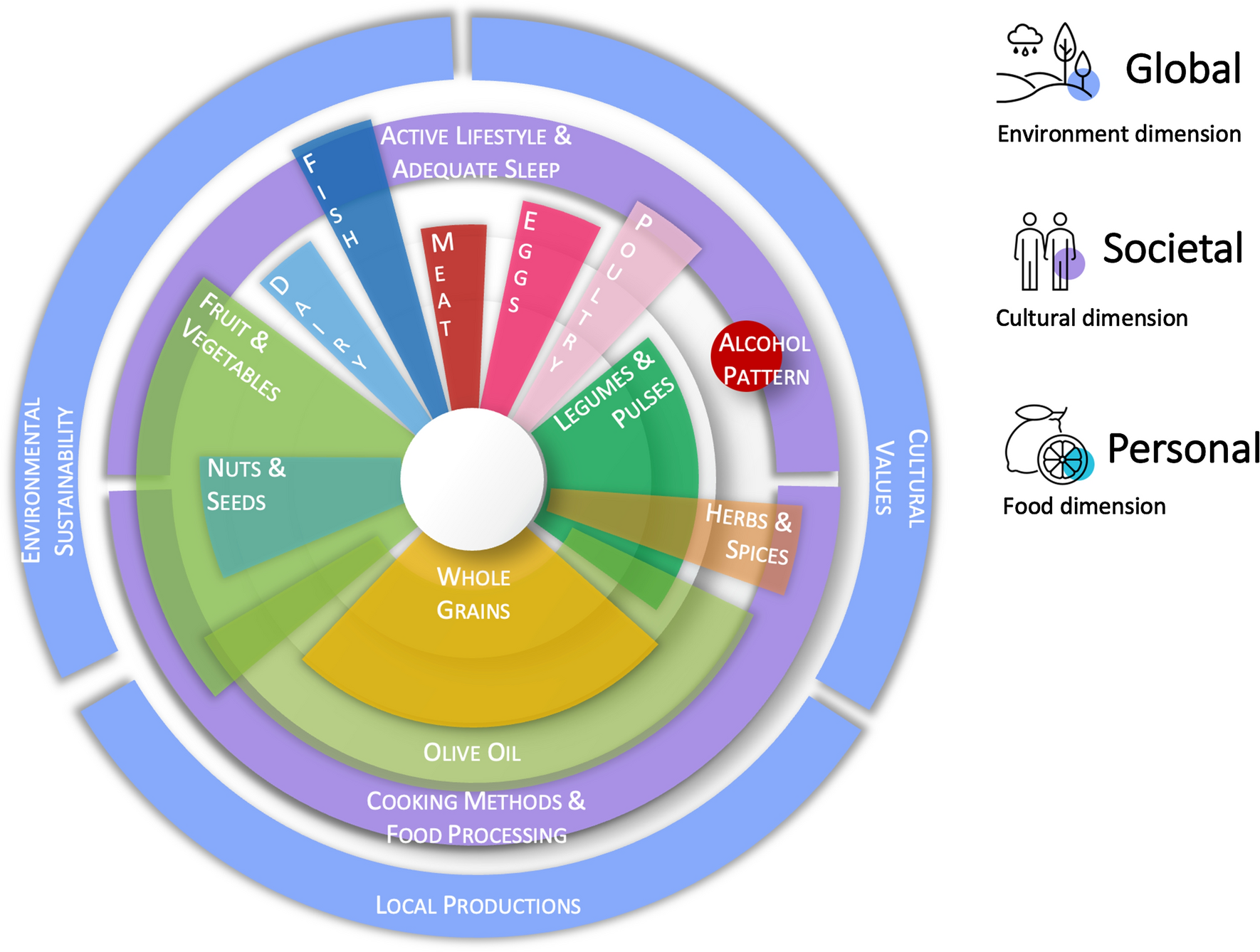
- Fruits and Vegetables are the main focus of this diet. By always incorporating seasonal fresh fruits and veggies, your body will thank you by boosting energy. This is because the quality of nutrients, vitamins, minerals, and antioxidants that come from produce in season is higher than fruits and veggies that aren’t. Tomatoes, Spinach, Eggplants, and peppers are common vegetables, with an array of berries, citrus, and melons being the main fruits.
- Whole Grains are essential to the Mediterranean diet, rather then refined grains. Brown rice, quinoa, bulgur, and whole wheat bread provide essential fiber and a steady flow of energy throughout the day.
- Monosaturated Fats are the main fat source in this diet. The monosaturated fats from olive oil, nuts, seeds and avocados have been found to promote heart health, as well as general wellness.
- Beans and Nuts are a portion of the protein source for this diet due to red meat consumption being kept at a minimum. Beans, lentils, and chickpeas are rich in fiber and protein. While almonds, walnuts, and pistachios offer similar nutrients and are great to snack on.
- Fish and Seafood are another main protein source, as well as a source for healthy fats. salmon, mackerel, and sardines are staples in the mediterranean diet. Their omega-3 fatty acids are fantastic for brain function and reducing inflammation.
- Herbs and Spices are essential to flavoring in this diet. Fresh herbs and spices like garlic, basil, oregano, rosemary, and thyme enhance taste, and add antioxidant and inflammatory benefits.
My Experience With The Mediterranean Diet
I switched to the Mediterranean diet for two weeks, pivoting off my typical diet. For the last five months, I have focused on a high intake of meat, eggs, and dairy for my protein and fat sources. My carb source came mainly from refined carbs like white rice, bread, and pasta. With a healthy amount of fruits or vegetables in each meal. Attempting to stick to this diet has worked well for me over the past few months. I even noticed a few changes with my body while trying Mediterranean. Here’s what I found…
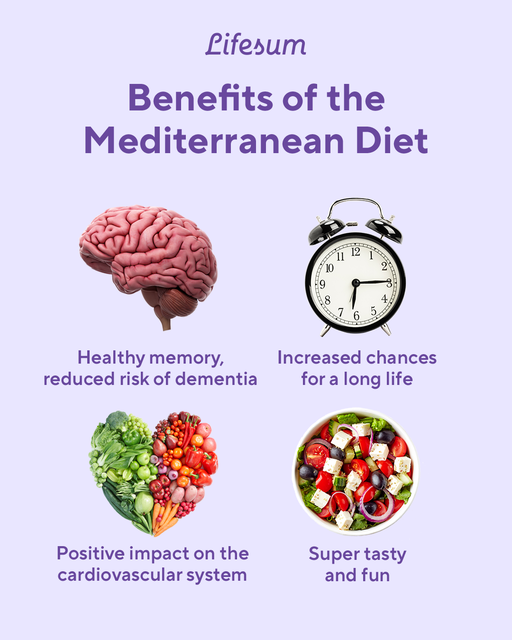
- Longer Lasting Energy was the first major change I noticed. Switching to whole grains over refined carbs gave me a steady flow of energy throughout my day, eliminating my need for a nap often times between classes.
- Mental Clarity was another benefit I believe this diet provided. Whether it was just a shift in nutrients, better energy, or both. This diet had me feeling ready to attack my classes.
- Trying New Foods was a fun change of pace for me. As I have stuck to a very small variety of meals in my past diet. Eating more fish, brown rice and trying new vegetables like zucchini and spinach have expanded my food horizon.
- Better Digestive Health is potentially the most underrated benefit of the Mediterranean diet. I noticed first hand the correlation between eating more fiber and my digestive system working like a charm. This had me feeling light on my feet and energetic.
Would I Try The Mediterranean Diet Again?
Yes I would absolutely do this diet again. In fact, I am going to continue eating many of the foods from the diet due to the benefits they have given me. I plan on creating a hybrid diet and continue my old ways of eating lots of eggs and red meat to ensure I reach my protein goal. However I plan to eat less refined carbs and go for more whole grains like brown rice and wheat bread. I believe this can provide a good balance of better energy, but still very high protein. As a student athlete who trains twice a day often, I think its essential to fuel my body with more protein then the Mediterranean diet calls for. However, I cant deny the impact of the whole grains and their energy boosting qualities. I also plan to keep eating lots of fruits and vegetables, choosing those that are in season as often as I can to try and get the most nutrients possible.
In Conclusion…
I would recommend this diet to anyone who feels like they have potentially hit a plateau in their energy levels or training performance. As I felt the benefits the key nutrients, healthy fats and whole grains associated with the Mediterranean diet work wonders on energy levels. I am happy I choose this diet for my project as the main issues of my last diet where lack of balance, and bad carbs. By choosing the Mediterranean diet I have learned the importance of balance, as well as the difference between whole grains and refined carbs. This is a powerful diet that can bring your energy levels to new heights, improve mental clarity, increase digestive health, and expose you to new foods and ways of life.
